
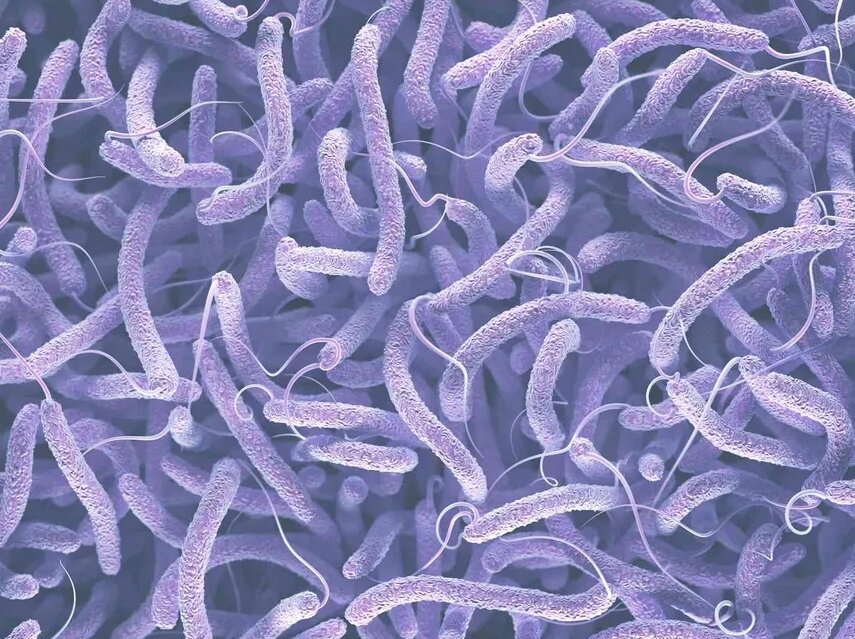
Public Health officials are warning of the presence of a flesh-eating bacteria called Vibrio vulnificus, which exists naturally in warm coastal waters. There have been 25 reported cases in Florida reported so far this year, five of which have led to deaths.
In 2022, Flordia reported a record 74 cases of flesh-eating bacteria infections, 17 of which resulted in death. Such bacteria thrive in floodwaters and Hurricane Ian presented plenty of opportunity for them to flourish last year. Lee and Collier counties, which were hit hardest hit by the category 4 hurricane, unsurprisingly had the highest numbers of cases in 2022.
While this year hasn't yet seen a hurricane make landfall, record surface and water temperatures have presented ideal conditions. So far this year, Escambia and Hillsborough counties have seen the most cases with four each, according to FDOH data.
Vibrio infections are usually associated with eating raw or undercooked oysters and other seafood. However, according to the U.S. Centers for Disease Control and Prevention, they can also occur when people with open cuts or wounds come in contact with seawater or brackish water where the bacteria are present.
According to the CDC, when ingested, Vibrio bacteria can cause watery diarrhea, often accompanied by abdominal cramping, nausea, vomiting, fever, and chills. These symptoms usually occur within 24 hours of ingestion and last about 3 days. Severe illness is rare and typically occurs in people with a weakened immune system. Vibrio bacteria can also cause a skin infection when an open wound is exposed to salt water or brackish water. Brackish water is a mixture of fresh and salt water. It is often found where rivers meet the sea.
The CDC recommends the following prevention measures:


Comments
No comments on this item
Only paid subscribers can comment
Please log in to comment by clicking here.