

One hundred and ten years ago this week, President Woodrow Wilson signed a law creating the National Park Service.
The new agency was charged with protecting the nation's national parks and monuments so pristine landscapes could remain "unimpaired for the enjoyment of future generations," according to the National Park Service.
It was a landmark moment in American conservation. But Florida had already been at it for 13 years.
In 1903, America's cowboy president, Theodore Roosevelt, set aside a tiny island in Florida's Indian River Lagoon for an unusual purpose: to save some birds.
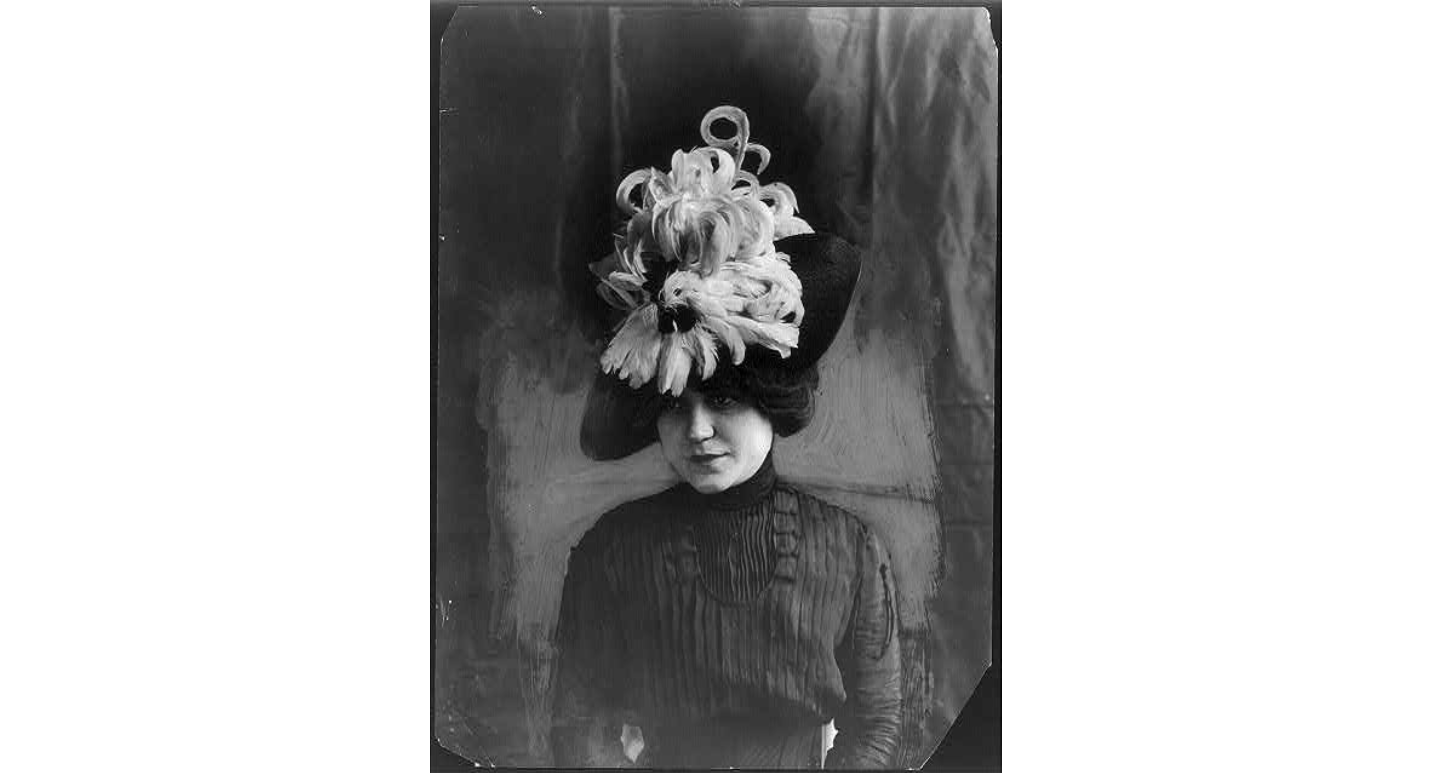
At the turn of the 20th century, feathers were fashionable. Elaborate hats adorned with plumes — and, for the flashy fashionista, entire birds — were all the rage. While this created a lucrative market for hunters, Florida's wading birds were paying the ultimate price.
Plume hunters devastated populations of egrets, herons and other birds across the state, often targeting nesting colonies where large numbers of birds could be killed at once, according to the U.S. Fish and Wildlife Service.
Public concern grew, and conservation groups began hiring wardens to protect bird rookeries. One of them was Paul Kroegel.
Kroegel, a German immigrant living in Sebastian, Fla., had watched over the birds of nearby Pelican Island even before he had any official authority to do so. When Roosevelt established Pelican Island as the country's first Federal Bird Reservation on March 14, 1903, Kroegel became its first warden, according to the U.S. Fish and Wildlife Service.
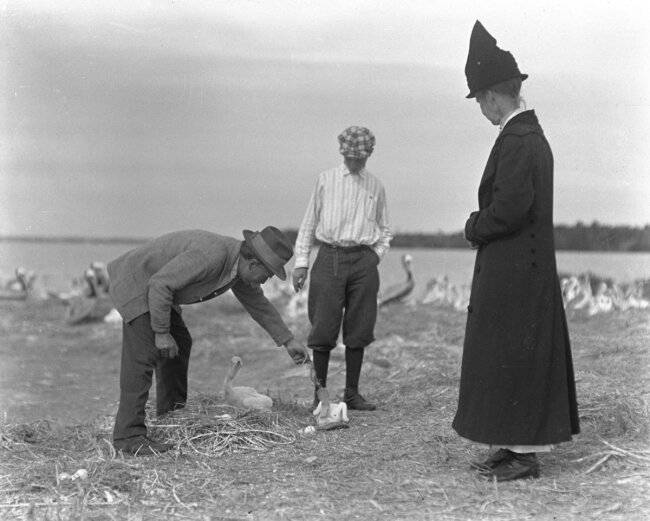
Historic photographs from Pelican Island show that early conservation apparently had no dress code. Kroegel and his fellow bird enthusiasts posed alongside their feathered charges in an assortment of turn-of-the-century outdoor attire, including at least one woman who appears to have arrived dressed as a swamp witch, complete with a pelican familiar.
But whimsical photographs aside, protecting those birds was serious business. According to the U.S. Fish and Wildlife Service, Pelican Island marked the first time the federal government had specifically set aside land for the sake of wildlife.
The little island became the first unit of what would eventually become the National Wildlife Refuge System.
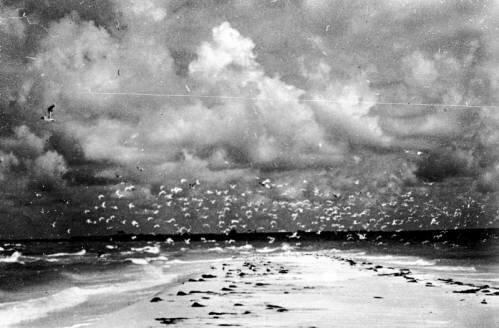
Two years later, Roosevelt turned his attention to another Florida island, this one much closer to home. In 1905, he established Passage Key Federal Bird Reservation at the mouth of Tampa Bay in Manatee County to protect colonies of nesting seabirds and wading birds.
Anyone familiar with Passage Key today might have trouble recognizing Roosevelt's version — it was far from the clothing-optional sandbar it is now.
In the early 1900s, Passage Key was a lush, roughly 60-acre mangrove island with a freshwater lake. More than 100 species of birds were recorded there, including American oystercatchers, black skimmers, royal and sandwich terns and laughing gulls. A local boatbuilder, Asa Pillsbury, was appointed warden.
But in 1921, a powerful hurricane stripped away much of the island's vegetation and dramatically reduced its size. Decades of storms, erosion and shifting sand continued the work, eventually creating the low-lying, ever-changing sandbar we've all visited — and been traumatized by.
By the time the National Park Service was created on Aug. 25, 1916, the idea that some places deserved protection had already been gaining momentum across the country.
National parks and national wildlife refuges would ultimately develop into different systems with different missions. But Florida holds a special place in the story.
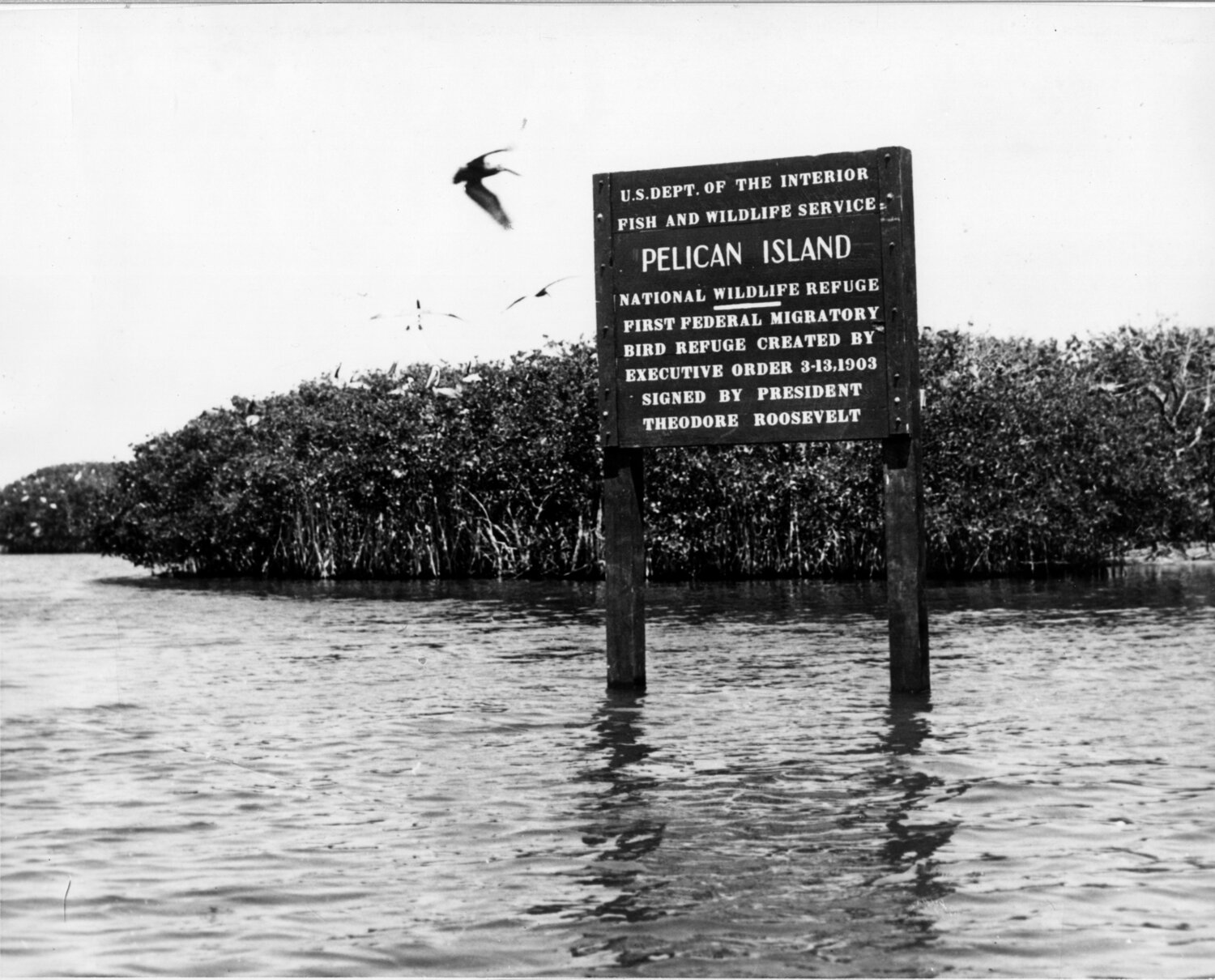
Pelican Island was the nation's first federal bird reservation and became the beginning of the National Wildlife Refuge System. Passage Key followed just two years later, bringing Roosevelt's experiment in wildlife conservation to our own backyard.
By the end of his presidency, Roosevelt had established dozens of federal bird and game reservations across the country. But it all started with a three-acre island in Florida, some very fashionable hats and a man willing to stand watch over a bunch of pelicans, swamp witch attire optional.


Comments
No comments on this item
Only paid subscribers can comment
Please log in to comment by clicking here.